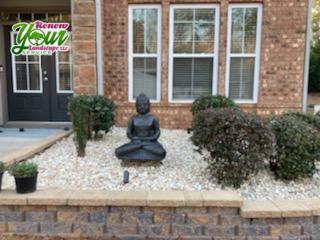
Creating the Perfect Retaining Wall
A well-designed retaining wall can enhance your outdoor space while providing necessary structural support. Whether you're looking to prevent soil erosion or create a level area for gardening or recreation, understanding the key elements of retaining wall design is essential. In this guide, we will explore various aspects of retaining wall construction, including materials, design considerations, and maintenance tips.
What is a Retaining Wall?
A retaining wall is a structure designed to hold back soil and prevent erosion in landscaping projects. It creates a vertical or near-vertical barrier that can help manage changes in elevation and create usable outdoor spaces.
Benefits of Retaining Walls
- Prevents soil erosion
- Creates usable space in sloped areas
- Enhances the aesthetic appeal of your landscape
- Increases property value
- Provides support for gardens and flower beds
Types of Retaining Walls
- Gravity Walls: Use their weight to resist lateral pressure.
- Cantilever Walls: Use leverage to hold back soil.
- Anchored Walls: Use cables anchored in the soil for added support.
- Sheet Piling Walls: Utilize interlocking sheets to retain soil in tight spaces.
Key Considerations for Retaining Wall Design
When designing a retaining wall, several factors must be taken into account to ensure stability, functionality, and aesthetics.
- Soil Type: Understand the characteristics of the soil to determine the appropriate wall design.
- Height of the Wall: Taller walls require additional engineering considerations.
- Drainage: Proper drainage is essential to prevent water buildup behind the wall.
- Material Selection: Choose materials that complement your landscape and meet structural needs.
- Local Regulations: Check for zoning laws or building codes that may affect your project.
Choosing the Right Materials
The material you select for your retaining wall significantly impacts its durability and appearance. Common materials include:
- Concrete Blocks: Versatile and sturdy, ideal for various designs.
- Natural Stone: Offers a rustic look but can be more expensive.
- Brick: Classic and aesthetically pleasing but requires careful installation.
- Wood: Ideal for lower walls, but may require more maintenance over time.
Installation Process for Retaining Walls
Installing a retaining wall involves several steps, including site preparation, foundation laying, and wall construction. Here’s a brief overview of the process:
- Site Assessment: Evaluate the area where the wall will be built.
- Design Approval: Finalize the design and materials based on your needs.
- Excavation: Dig out the area where the wall will be placed.
- Foundation Preparation: Create a solid base to ensure stability.
- Wall Construction: Build the wall according to the design specifications.
- Drainage Installation: Add drainage solutions to prevent water buildup.
Maintenance Tips for Retaining Walls
To ensure the longevity of your retaining wall, regular maintenance is crucial. Here are some tips:
- Inspect for cracks or signs of wear at least once a year.
- Ensure drainage systems are functioning properly.
- Clean debris from the top and base of the wall.
- Reinforce any loose stones or bricks as needed.
- Consider sealing the wall for added protection against weather.
Conclusion
Creating the perfect retaining wall requires careful planning, design, and execution. By understanding the purpose and benefits of retaining walls, choosing the right materials, and following proper installation and maintenance practices, you can enhance your landscape while ensuring stability and functionality. For professional assistance with your landscape construction projects, consider reaching out to experts who can guide you through the process.