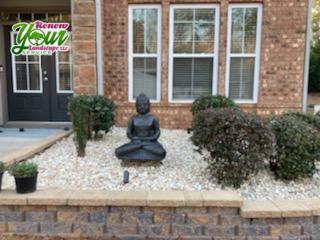
The Benefits of Hardscaping in Your Landscape
In the world of landscape design, hardscaping plays a crucial role in enhancing the beauty and functionality of outdoor spaces. Hardscaping refers to the non-plant elements of landscaping, such as patios, walkways, walls, and other structures. By integrating hardscaping features into your landscape, you can create a more appealing and practical outdoor environment.
What is Hardscaping?
Hardscaping includes a variety of materials and structures that can complement and enhance the natural elements of your garden. Common hardscaping features include:
- Patios
- Walkways
- Retaining walls
- Decks
- Fire pits
- Water features
- Stone walls
- Fencing
The Benefits of Hardscaping
Incorporating hardscaping into your landscape offers numerous benefits, including:
- Increased Property Value: Well-designed hardscaping can significantly enhance the visual appeal of your property, making it more attractive to potential buyers.
- Low Maintenance: Unlike plants, hardscaping features require minimal upkeep, which means less time and money spent on maintenance.
- Functional Outdoor Spaces: Hardscaping creates defined areas for activities such as dining, entertaining, and relaxing, allowing you to make the most of your outdoor spaces.
- Erosion Control: Structures like retaining walls can help manage soil erosion and improve drainage in your landscape.
- Year-Round Use: Hardscaping elements can provide functional outdoor areas that can be enjoyed in various weather conditions, unlike traditional gardens that may be less usable in winter.
Designing Your Hardscape
When designing your hardscape, consider the following tips to ensure a cohesive and functional layout:
- Assess Your Space: Take measurements and note existing features such as trees, slopes, and buildings to determine the best layout for your hardscaping elements.
- Choose Complementary Materials: Select materials that match or enhance your home's architectural style and the surrounding landscape.
- Create Flow: Design pathways and patios that encourage movement through your space, connecting different areas seamlessly.
- Incorporate Softscaping: Balance hardscaping with plants and greenery to create a harmonious environment that feels inviting.
Popular Hardscaping Materials
Some commonly used materials in hardscaping include:
- Natural stone: Offers a timeless and elegant look, ideal for patios and walls.
- Concrete: Versatile and cost-effective, can be poured or molded into various shapes.
- Brick: Provides a classic aesthetic, perfect for pathways and patios.
- Pavers: Available in various colors and designs, suitable for driveways and walkways.
The Role of Professional Help
While DIY hardscaping can be rewarding, hiring professionals can ensure a high-quality and durable installation. Professionals can:
- Provide expert advice on design and materials.
- Ensure proper installation techniques for longevity.
- Help with permits and regulations if necessary.
- Offer warranties on their work for added peace of mind.
Conclusion
Hardscaping is a vital aspect of landscape design that offers numerous benefits, from enhancing property value to providing functional outdoor spaces. By carefully planning and incorporating hardscaping elements, you can create an outdoor environment that is both beautiful and practical. Whether you opt for a DIY approach or hire professionals, investing in hardscaping is a decision that will pay off for years to come.